|

Portuguese Conquest

The Johor Empire

Dutch East India

The Straits Settlements

The Kedah Blockade

The Selangor Civil War

The Perak War

Forward to
British
Malaya
|
|
The Perak War
 While the British Straits Settlements were rapidly
developing and growing closer to the modern world, the Malay States in
the hinterland of the Malay Peninsula continued in a condition
comparable to medieval feudalism. The powers of the Malay rulers had
declined everywhere. The chiefs of districts extorted what dues
they could from the common people, who had no security that they would
not be robbed of the crops they grew and animals they raised by rival
forces in the frequent civil wars. Aborigines, captives
and debtors were kept in slavery by the rajas, and even the freemen
were
liable for forced labour on any kind of private or public work on the
orders
of the chiefs. Trade was strangled by the tolls demanded by each
local raja, as well as by customs duties on exports and imports leaving
or entering the principal river-mouths. While the British Straits Settlements were rapidly
developing and growing closer to the modern world, the Malay States in
the hinterland of the Malay Peninsula continued in a condition
comparable to medieval feudalism. The powers of the Malay rulers had
declined everywhere. The chiefs of districts extorted what dues
they could from the common people, who had no security that they would
not be robbed of the crops they grew and animals they raised by rival
forces in the frequent civil wars. Aborigines, captives
and debtors were kept in slavery by the rajas, and even the freemen
were
liable for forced labour on any kind of private or public work on the
orders
of the chiefs. Trade was strangled by the tolls demanded by each
local raja, as well as by customs duties on exports and imports leaving
or entering the principal river-mouths.
With this state of affairs, it was unlikely that the British rulers of
the Straits Settlements would be able to refrain forever from
interfering in this relatively lawless hinterland. This intervention
was finally prompted with the influx of Chinese immigrants to the Larut
district of the northern Sultanate of Perak. Larut was a swampy,
thinly-peopled area outside the natural basin of the Perak River when a
Malay chieftain called Che’ Long Jafar settled down near the present
town of Taiping and discovered rich tin-fields in
the area. Che’ Long Jafar encouraged Chinese from Penang to develop
them.
In 1850, he was granted the right to collect revenue from Larut by the
Sultan of Perak, and this was confirmed, with very full powers of
government, to his son, Che’Ngah Ibrahim on Long Jafar's death in 1856.
A rush to Chinese to Larut followed, and Ngah Ibrahim was soon the
richest chief in Perak
and aspiring to independence.
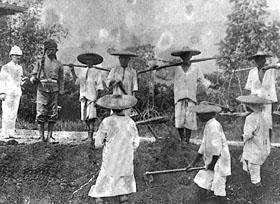 The Chinese brought to Larut the fierce rivalry of the
secret societies which distinguished their fellow countrymen in the
Straits. The two main divisions were the Ghee Hin, mostly
Cantonese, and the Hai San, mostly Hakkas. At first they developed
different areas of the district, but in
1862 war broke out between the two, and the Ghee Hin were driven out of
their mines at Kamunting. The leaders of the Ghee Hin then
appealed
for help to the Straits Settlements Government, and as many were
British
subjects, Governor Cavenagh blockaded the coast of Larut and demanded
compensation. Not wishing to give an occasion for interference, the
Sultan advised Ngah Ibrahim to pay compensation, and in return created
him Orang Kaya Mantri, one of the four greatest officers in the State,
with wider powers over Larut. The Chinese brought to Larut the fierce rivalry of the
secret societies which distinguished their fellow countrymen in the
Straits. The two main divisions were the Ghee Hin, mostly
Cantonese, and the Hai San, mostly Hakkas. At first they developed
different areas of the district, but in
1862 war broke out between the two, and the Ghee Hin were driven out of
their mines at Kamunting. The leaders of the Ghee Hin then
appealed
for help to the Straits Settlements Government, and as many were
British
subjects, Governor Cavenagh blockaded the coast of Larut and demanded
compensation. Not wishing to give an occasion for interference, the
Sultan advised Ngah Ibrahim to pay compensation, and in return created
him Orang Kaya Mantri, one of the four greatest officers in the State,
with wider powers over Larut.
However, fighting continued and this struggle seemed likely to go on
indefinitely. At this stage the wider issue of the succession to the
Perak Sultanate became mixed up with the local struggle in Larut.
 In 1871, Sultan Ali of Perak died. According to
traditional custom,
the Chief Minister (or Bendahara) Raja Ismail invited the the rightful
heir, Raja Muda Abdullah, to attend the funeral and to be installed as
Sultan.
Raja Abdullah, however, was weak and unpopular and feared to accept the
invitation. After waiting for thirty-two days the Perak chiefs
lost patience and installed the Raja Ismail instead. Raja Abdullah
never really gave up his claim, while a third candidate, Raja Yusof,
also had hopes of becoming Sultan. The State teetered on the
verge of civil war. In 1871, Sultan Ali of Perak died. According to
traditional custom,
the Chief Minister (or Bendahara) Raja Ismail invited the the rightful
heir, Raja Muda Abdullah, to attend the funeral and to be installed as
Sultan.
Raja Abdullah, however, was weak and unpopular and feared to accept the
invitation. After waiting for thirty-two days the Perak chiefs
lost patience and installed the Raja Ismail instead. Raja Abdullah
never really gave up his claim, while a third candidate, Raja Yusof,
also had hopes of becoming Sultan. The State teetered on the
verge of civil war.
The British Governor of the Straits Settlements, Sir Harry Ord, decided
not to recognise either of the rival Sultans but decided that
intervention was necessary. Sir Andrew Clarke, who arrived as Governor
at the end of
1873, was given the following instructions: “I have to request that you
will carefully ascertain, as far as you are able, the actual condition
of
affairs in each state and that you will report to me whether there are
any
steps which can properly be taken by the Colonial Government to promote
the restoration of peace and order and, to secure protection to trade
and
commerce with the native territories. I would wish you, especially, to
consider
whether it would be advisable to appoint a British officer to reside in
any
of the States”. The Secretary of State who wrote these words probably
had
in mind the good results which had been achieved in India by posting
Residents
or Advisers to native-ruled states –making them protecorates of the
British Empire and, in effect, giving them compete control over all
affairs of State except for customary or religious affairs.
Sir Andrew Clarke did not waste any time. Within a few days of his
arrival in Singapore, he met Raja Abdullah and found out that he would
be willing to receive a British Resident if he were made Sultan. In
January 1874, Sir Andrew Clarke met the principal Perak chiefs and
signed what was called the Pangkor Engagement. This agreement
stipulated that that Raja Abdullah should be recognised as Sultan and
should accept a British Resident ‘whose advice must be asked and acted
upon on all questions other than those touching Malay religion and
custom’. Raja Ismail was to relinquish his claim to the thrown
and be given a title and a pension.
 The
Perak chiefs had accepted these terms reluctantly and with
suspicion, so the task of the first British Resident in Perak was a
hard one. Unfortunately, Mr J.W.W. Birch, the Colonial Secretary of the
Straits Settlement, who was chosen for the post, was not the right man.
He had had long experience in Ceylon but he could speak no Malay, was
unsympathetic towards Malay customs, easily irritated by abuses and
wanted to change everything too quickly. His attitude can be
summed up in his own words ‘ It concerns us little
what were the old customs of the country nor do I think they are worthy
of any consideration.’ It is not surprising that he could get no
co-operation
from the chiefs, whose rights of collecting taxes and dues he proposed
to take away before any compensation had been fixed. Horrified by the
suffering
of the debt-slaves he helped them to escape from their masters, who
could
not understand why an immemorial custom should suddenly cease in this
way. The
Perak chiefs had accepted these terms reluctantly and with
suspicion, so the task of the first British Resident in Perak was a
hard one. Unfortunately, Mr J.W.W. Birch, the Colonial Secretary of the
Straits Settlement, who was chosen for the post, was not the right man.
He had had long experience in Ceylon but he could speak no Malay, was
unsympathetic towards Malay customs, easily irritated by abuses and
wanted to change everything too quickly. His attitude can be
summed up in his own words ‘ It concerns us little
what were the old customs of the country nor do I think they are worthy
of any consideration.’ It is not surprising that he could get no
co-operation
from the chiefs, whose rights of collecting taxes and dues he proposed
to take away before any compensation had been fixed. Horrified by the
suffering
of the debt-slaves he helped them to escape from their masters, who
could
not understand why an immemorial custom should suddenly cease in this
way.
Birch was finally killed in November 1875 by a local chief, Maharaja
Lela, at the village of Pasir Salak, after a meeting at which
Sultan Abdullah and his chiefs had decided that he should be killed.
 This tragedy brought armed intervention by British
troops. A guerrilla campaign followed until the rebels were
caught and hanged. Nearly all the Perak chiefs were involved, but only
Sultan Abdullah and a handful of court chiefs were punished by
banishment to the Seychelles Islands. Raja Yusof became Regent
and later Sultan. This tragedy brought armed intervention by British
troops. A guerrilla campaign followed until the rebels were
caught and hanged. Nearly all the Perak chiefs were involved, but only
Sultan Abdullah and a handful of court chiefs were punished by
banishment to the Seychelles Islands. Raja Yusof became Regent
and later Sultan.
The British Resident who succeeded Birch, Hugh Low, had to face all
Birch’s difficulties with the addition of a heavy war debt and the
sullen
hostility of the people. But Low was a very different type of man from
his predecessor - he spoke Malay well and had had experience of the
Residential
system in Borneo. He combined patience with sympathy and understanding.
He worked through a State Council on which the principal chiefs sat
and,
with the Malay ruling class working with him, the framework of a
working
government was established. The collection of revenue was taken out of
the
hands of the Malay chiefs but they were given allowances as
compensation.
With the construction of roads and railways, rapid economic development
of
the state soon followed.
The power of the Sultans, however, was effectively curtailed, with the
Malay rulers effectively having authority only on matters related to
Malay customs and religious affairs. Perak was thenceforth under the
rule of the British Empire and became the first Malay state of what was
to become British Malaya.
|
The Pangkor Engagement
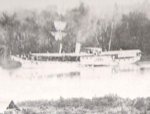
Blueprint for colonisation
Death on the Perak River

The assasination of
J W W Birch
War Despatches

The Illustrated London News' account of the Perak expedition
'A Little War'
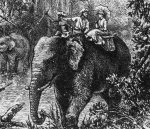
A female Victorian tourist's perspective of the Perak War
'The Battle of Bandar Tua'
The first failed British raid on Pasir Salak
The Battle of Kota Lama
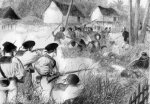
The Malay ambush on British marines
The Battle of Paroi

Malay unrest erupts in the south
The Battle of Bukit Putus

The first Victoria Cross awarded in Malaya
Baptism of Fire

The introduction of the Martini-Henry rifle in the Perak War
|

