|

Portuguese Conquest

The Johor Empire

Dutch East India

The Straits Settlements

The Kedah Blockade

The Selangor Civil War

The Perak War

Forward to
British
Malaya
|
|
The Straits Settlements
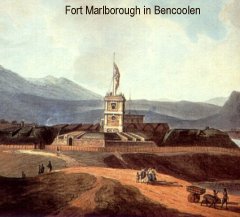 For
various reasons, the English East India Company had for some time
been considering the establishment of a factory near the Straits of
Melaka. The only British post in the East Indian islands was
established in 1685 - Bencoolen on the west coast of Sumatra. However,
it was too far off the trade routes to be of much value. What was
needed was a port on the route between India and Canton, where the East
India Company had built up their most valuable trade by exchanging
opium for a new beverage that was fast becoming all
the rage in England - tea. British vessels engaged in this trade had to
pay heavy tolls if they called at the Dutch ports to re-fit and to take
on fresh provisions. Another factor was that the Coromandel coast of
India
was dangerous to sailing-ships during the northeast monsoon from
November
to March, and ships were forced to make long and expensive voyages to
Bombay
to gain shelter during this season. A port in the lee of the Malay
Peninsula
would be a much more convenient place to re-fit, both for merchant
shipping
and men-of-war. Finally, the British had always resented the Dutch
monopoly
of the spice trade and wished to gain a share in this lucrative
traffic. For
various reasons, the English East India Company had for some time
been considering the establishment of a factory near the Straits of
Melaka. The only British post in the East Indian islands was
established in 1685 - Bencoolen on the west coast of Sumatra. However,
it was too far off the trade routes to be of much value. What was
needed was a port on the route between India and Canton, where the East
India Company had built up their most valuable trade by exchanging
opium for a new beverage that was fast becoming all
the rage in England - tea. British vessels engaged in this trade had to
pay heavy tolls if they called at the Dutch ports to re-fit and to take
on fresh provisions. Another factor was that the Coromandel coast of
India
was dangerous to sailing-ships during the northeast monsoon from
November
to March, and ships were forced to make long and expensive voyages to
Bombay
to gain shelter during this season. A port in the lee of the Malay
Peninsula
would be a much more convenient place to re-fit, both for merchant
shipping
and men-of-war. Finally, the British had always resented the Dutch
monopoly
of the spice trade and wished to gain a share in this lucrative
traffic.
 When
Britain's thirteen colonies in America erupted in open revolt in
1776, the need for a naval presence on the Straits became more urgent.
Britain
was now at war with France, Spain and Holland, who had come to the aid
of
the rebellious American colonists. In 1781 a large fleet commanded by
Admiral Bailli de Suffren arrived at the French naval base at Mauritius
and, for
the next three years, challenged British naval command of the Indian
Ocean
and blockaded British ports. One of his victims was a merchant, Francis
Light, who was sailing in his ship, the Blake, to Madras with a cargo
of rice when he was intercepted by one of Suffren's frigates and
captured. When
Britain's thirteen colonies in America erupted in open revolt in
1776, the need for a naval presence on the Straits became more urgent.
Britain
was now at war with France, Spain and Holland, who had come to the aid
of
the rebellious American colonists. In 1781 a large fleet commanded by
Admiral Bailli de Suffren arrived at the French naval base at Mauritius
and, for
the next three years, challenged British naval command of the Indian
Ocean
and blockaded British ports. One of his victims was a merchant, Francis
Light, who was sailing in his ship, the Blake, to Madras with a cargo
of rice when he was intercepted by one of Suffren's frigates and
captured.
Fortunately, the Blake was recaptured by the British. The
lesson of this naval campaign, however, was not lost on Light or on the
Company, who realized more strongly than ever the need for a base near
the Straits of Melaka. The British had been negotiating with Johor for
an outpost at
Riau but these plans were shattered when the Dutch defeated Raja Haji
and
established a garrison there. Light, during his trading expeditions,
had
kept in close touch with Kedah, where a new Sultan had come to the
throne.
From this ruler he obtained the offer of the island of Penang in return
for
protection from his enemies and compensation for loss of trade. He
landed
there with a small force of sepoys and, on 11th August 1786, raised the
Union
Jack - the first step towards what was to be 171 years of British rule
on
the Malay Peninsula.
 Just
a few years after Francis Light founded Penang, thousands of miles
away on the other side of the globe, France erupted into revolution,
beheaded her king and the French Republic was born. This upheaval soon
involved all Europe in a series of wars which Britain entered in 1793.
The revolutionary armies of France took the offensive , and among the
countries which they
overran was the Netherlands. Here a Batavian Republic dependent on
France
was set up, and the former ruler, William V, Prince of Orange took
refuge
in England. The resources of the Dutch and their Navy came under French
control,
and England feared that the Dutch colonies might be used as bases for
attacks on Britain's trade and empire. It was therefore decided to
occupy them as a precautionary measure. The Prince of Orange agreed
with this policy and wrote letters to the Governors advising them to
hand over control to the
British, who had promised that the colonies would be returned when the
war
was over. It was a difficult decision for these Dutch officials, but
most
of them accepted it, and the Cape of Good Hope, Ceylon and Melaka were
all
occupied with varying degrees of reluctance. The most notable exception
was
Java, where the Government of the Netherlands East Indies still obeyed
their
republican masters at home, and acted as open allies of the French. Just
a few years after Francis Light founded Penang, thousands of miles
away on the other side of the globe, France erupted into revolution,
beheaded her king and the French Republic was born. This upheaval soon
involved all Europe in a series of wars which Britain entered in 1793.
The revolutionary armies of France took the offensive , and among the
countries which they
overran was the Netherlands. Here a Batavian Republic dependent on
France
was set up, and the former ruler, William V, Prince of Orange took
refuge
in England. The resources of the Dutch and their Navy came under French
control,
and England feared that the Dutch colonies might be used as bases for
attacks on Britain's trade and empire. It was therefore decided to
occupy them as a precautionary measure. The Prince of Orange agreed
with this policy and wrote letters to the Governors advising them to
hand over control to the
British, who had promised that the colonies would be returned when the
war
was over. It was a difficult decision for these Dutch officials, but
most
of them accepted it, and the Cape of Good Hope, Ceylon and Melaka were
all
occupied with varying degrees of reluctance. The most notable exception
was
Java, where the Government of the Netherlands East Indies still obeyed
their
republican masters at home, and acted as open allies of the French.
 By
the beginning of the 19th century, Napoleon had become ruler of
France and his struggle with England had become a world war, stretching
from the American continent and Caribbean to its easternmost front in
the Straits
of Melaka and the East Indies. In this world-wide struggle, both France
and
Britain sought any means to strike at each other and Napoleon
especially
had many schemes for attacking the commerce which was at the root of
power
for England - what he called "a nation of shopkeepers". He used French
bases
in the islands of Bourbon and Mauritius and Dutch naval forces in Java
to
threaten British shipping and trade in the East. For this purpose he
had
sent a French-trained soldier, Marshal Daendels, to strengthen the
Dutch
hold on Java and build up an army there. By
the beginning of the 19th century, Napoleon had become ruler of
France and his struggle with England had become a world war, stretching
from the American continent and Caribbean to its easternmost front in
the Straits
of Melaka and the East Indies. In this world-wide struggle, both France
and
Britain sought any means to strike at each other and Napoleon
especially
had many schemes for attacking the commerce which was at the root of
power
for England - what he called "a nation of shopkeepers". He used French
bases
in the islands of Bourbon and Mauritius and Dutch naval forces in Java
to
threaten British shipping and trade in the East. For this purpose he
had
sent a French-trained soldier, Marshal Daendels, to strengthen the
Dutch
hold on Java and build up an army there.
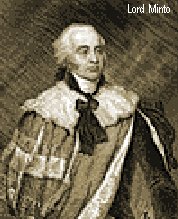 The
British had also been active. Their fleets still dominated the
Indian Ocean, and expeditions from India took the Moluccas in 18o8 and
Bourbon
and Mauritius in 1810. Java still remained a threat, and the British
Governor-General in India, Lord Minto, assembled a large invasion force
at Melaka consisting of 100 ships and 11,000 troops. A great camp
stretched along the sea-shore from Melaka's northern suburbs to Tanjong
Kling. In 1811, Lord Minto arrived to lead the expedition in person,
accompanied by his Secretary, Stamford
Raffles. A landing was made without opposition and Batavia was
occupied.
The Dutch General Janssens (who had succeeded Daendels) withdrew to a
prepared
position at Cornelis seven miles inland. After only a week's fighting
this
stronghold was successfully stormed and Java now passed under British
rule
for nearly five years. Lord Minto returned to India, leaving Raffles as
Lieutenant-Governor of Java and Sumatra. The
British had also been active. Their fleets still dominated the
Indian Ocean, and expeditions from India took the Moluccas in 18o8 and
Bourbon
and Mauritius in 1810. Java still remained a threat, and the British
Governor-General in India, Lord Minto, assembled a large invasion force
at Melaka consisting of 100 ships and 11,000 troops. A great camp
stretched along the sea-shore from Melaka's northern suburbs to Tanjong
Kling. In 1811, Lord Minto arrived to lead the expedition in person,
accompanied by his Secretary, Stamford
Raffles. A landing was made without opposition and Batavia was
occupied.
The Dutch General Janssens (who had succeeded Daendels) withdrew to a
prepared
position at Cornelis seven miles inland. After only a week's fighting
this
stronghold was successfully stormed and Java now passed under British
rule
for nearly five years. Lord Minto returned to India, leaving Raffles as
Lieutenant-Governor of Java and Sumatra.
With the defeat of Napoleon in 1815, Raffles had hoped that
Java might be retained by Britain but, much to his bitter
disappointment, the
Dutch returned to take over the government of Java and its
dependencies.
Britain still retained Bencoolen but it was too far away from the
shipping
routes to make any dent on the Dutch monopoly in trade, and the Dutch
firmly
held the two approaches to the archipelago by the Straits of Sunda and
Melaka. The heads of the East India Company in London and Calcutta were
opposed
to any adventures in the archipelago which might involve them in
expensive
little wars, and the British Government would certainly have not
approved
any quarrels with the friendly Netherlands Government in Europe. If
Raffles
had not forced their hands, it seems fairly certain they would have
done
nothing to prevent the Dutch completing their control over Malay
Peninsula
as well as the whole of the East Indies islands.
 Raffles,
however, was convinced of the necessity of breaking the Dutch
monopoly. Raffles was inclined to attempt to open the Straits of Melaka
by arranging to exchange Bencoolen for Melaka and establishing a new
port
at Riau if this could be done without a quarrel with the Dutch. The
Governor-General
in India, Lord Hastings, decided to let Raffles carry out this plan.
After
Raffles had left, Hastings changed his mind and wrote that he was to
"desist
from every attempt to form a British establishment in the Eastern
Archipelago". Raffles,
however, was convinced of the necessity of breaking the Dutch
monopoly. Raffles was inclined to attempt to open the Straits of Melaka
by arranging to exchange Bencoolen for Melaka and establishing a new
port
at Riau if this could be done without a quarrel with the Dutch. The
Governor-General
in India, Lord Hastings, decided to let Raffles carry out this plan.
After
Raffles had left, Hastings changed his mind and wrote that he was to
"desist
from every attempt to form a British establishment in the Eastern
Archipelago".
However, before this message reached Raffles, he had already
carried out his original orders. His small squadron assembled at Penang
and Major Farquhar, the Resident of Melaka (who had just returned that
town to the
Dutch) joined Raffles as the officer chosen to take charge of the new
settlement. He had recently visited Riau and made a commercial treaty
with the Sultan and Raja Muda there, but this had resulted in the Dutch
occupying the island and forcing the Malay rulers to promise to exclude
all other nations from their dominions. With Riau no longer an option,
Raffles negotiated with
the Sultan for a concession in Johore. There seems to be little doubt
that
Raffles already had in mind "the site of the ancient city of Singapore
"
as the chosen spot - and he needed to get there before the Dutch.
Raffles
landed in Singapore on 28 January 1819 and left Farquhar there to
establish
a settlement.
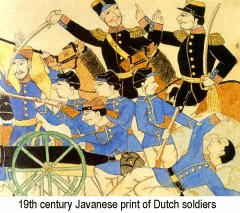 As
was to be expected, the Dutch were furious. Raffles had in fact
disobeyed his orders, which said that he could only make an agreement
with Johore
if the Sultan was not under the authority of the Dutch. In fact, the
Dutch
claimed that he had been under their authority since the treaty Of 1785
and this had been renewed by the treaty they had made with Sultan Abdul
Rahman
in 1818. There was a great danger that they might send military forces
from
Melaka or Batavia to seize Singapore. Farquhar, who had only a handful
of
troops, asked for reinforcements from Penang but, without direct orders
from
Calcutta, this was refused. The English tried to conciliate the Dutch
by
saying that Singapore would be given up if the Dutch proved their claim
to
it, but they pointed out that when Melaka was surrendered to the
British
in 1795 they had themselves said that Riau was an independent state and
that
Johore and Pahang were not a part of it. It followed that when Riau was
restored
to them, it was without such dependencies. As
was to be expected, the Dutch were furious. Raffles had in fact
disobeyed his orders, which said that he could only make an agreement
with Johore
if the Sultan was not under the authority of the Dutch. In fact, the
Dutch
claimed that he had been under their authority since the treaty Of 1785
and this had been renewed by the treaty they had made with Sultan Abdul
Rahman
in 1818. There was a great danger that they might send military forces
from
Melaka or Batavia to seize Singapore. Farquhar, who had only a handful
of
troops, asked for reinforcements from Penang but, without direct orders
from
Calcutta, this was refused. The English tried to conciliate the Dutch
by
saying that Singapore would be given up if the Dutch proved their claim
to
it, but they pointed out that when Melaka was surrendered to the
British
in 1795 they had themselves said that Riau was an independent state and
that
Johore and Pahang were not a part of it. It followed that when Riau was
restored
to them, it was without such dependencies.
 In
March 1824 the Governments of Great Britain and the Netherlands
signed in London a treaty which was intended to settle all outstanding
differences between the two nations in the East. By this Britain gave
up Bencoolen and promised not to establish any other settlements in
Sumatra. In return, the Dutch gave up Melaka and undertook not to
interfere with any of the states of the Malay Peninsula. The result was
to define clearly the sphere of influence of each power - with the
Dutch in firm control of what was to become modern Indonesia and the
British on the path of moulding what was to become Malaya. In
March 1824 the Governments of Great Britain and the Netherlands
signed in London a treaty which was intended to settle all outstanding
differences between the two nations in the East. By this Britain gave
up Bencoolen and promised not to establish any other settlements in
Sumatra. In return, the Dutch gave up Melaka and undertook not to
interfere with any of the states of the Malay Peninsula. The result was
to define clearly the sphere of influence of each power - with the
Dutch in firm control of what was to become modern Indonesia and the
British on the path of moulding what was to become Malaya.
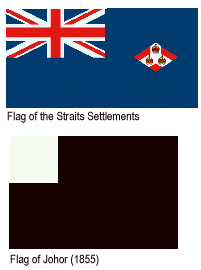 The Treaty of 1824 was
also a blessing in disguise for the Malay world - in particular Johor.
The defeat of the Bugis by the Dutch in 1785 completely destroyed any
power the Johor Empire wielded. Johor - and perhaps much of the Malay
peninsula as well - lay helpless at the feet of the victorious
Dutch. Britain's recognition of the independence of the Johor Sultanate
restored some of the old Empire's lost freedom and dignity. Johor was
to remain fiercely independent for the rest of the century and
blossomed into what was arguably the first modern Malay state. The Treaty of 1824 was
also a blessing in disguise for the Malay world - in particular Johor.
The defeat of the Bugis by the Dutch in 1785 completely destroyed any
power the Johor Empire wielded. Johor - and perhaps much of the Malay
peninsula as well - lay helpless at the feet of the victorious
Dutch. Britain's recognition of the independence of the Johor Sultanate
restored some of the old Empire's lost freedom and dignity. Johor was
to remain fiercely independent for the rest of the century and
blossomed into what was arguably the first modern Malay state.
|
Prince of Wales Island
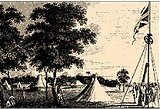
Britain plants its flag in the Malay world
The Battle of Prai
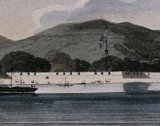
Penang under attack
Singapore
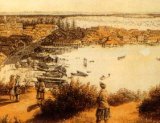
From den of pirates to port city
Agent of Empire

The English East India Company
Betel Nut Island

Origins of the name Penang
Malay pirates of
the Indian Ocean
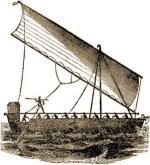
From 'The Pirates Own Book' (1837)
Pirate Hunters
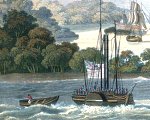
Britain's answer to the dreaded Malay pirate
War on Terror
in the Straits
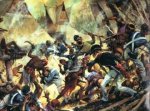
The US attack on Kuala Batu
The First Naning War
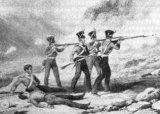
The Malays in revolt
The Second Naning War
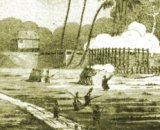
The Empire strikes back
|

